



















The DECIDE project underscores the critical importance of introducing media literacy education at an early age, particularly among preschool children and primary school students, as a key element in building resilient and informed future generations.
As part of the project, a two-day online hackathon brought together more than 100 participants, including citizens, young people, media literacy experts, digital development professionals, and representatives of partner organizations. Working in interdisciplinary teams, participants addressed real-world challenges related to media and information literacy.
Discussions highlighted the urgent need to develop age-appropriate educational tools and activities for children. Among the proposed solutions were digital educational quizzes and interactive learning formats designed to foster critical thinking and media literacy skills.
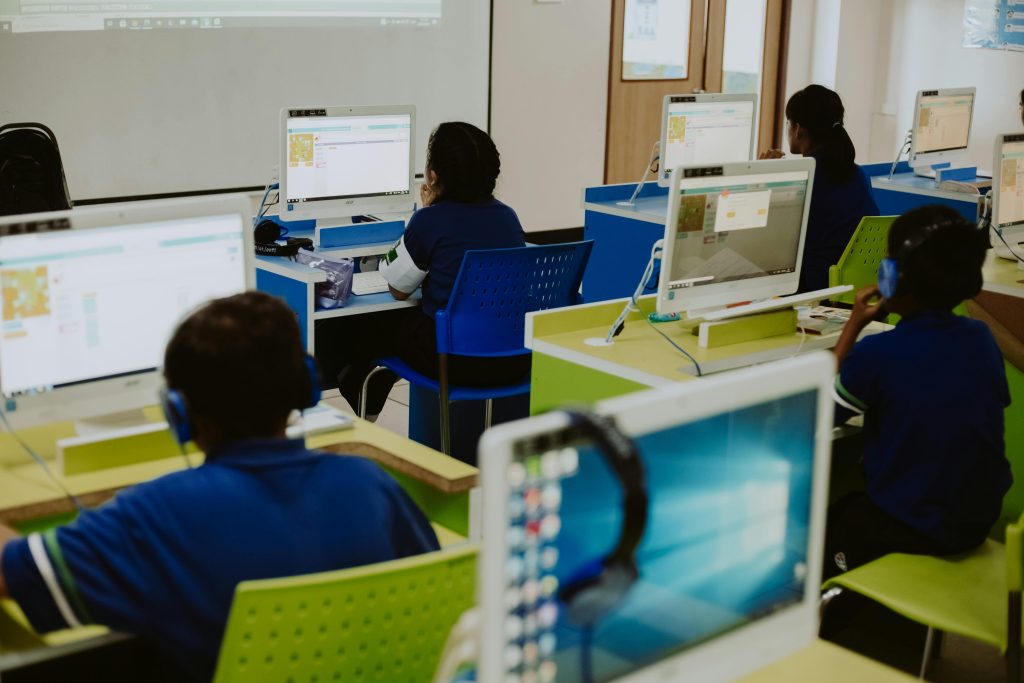
Particular emphasis was placed on storytelling-based approaches, enabling children to recognize misinformation, including fake news, and to understand different layers of narrative.
Participants stressed that responsibility for early media education is shared across multiple levels. Parents play a key role in guiding children from an early age, helping them understand the difference between the digital and real worlds, as well as encouraging safe and responsible online behavior.
At the same time, institutions and local communities are encouraged to support these efforts by organizing workshops, developing educational games, and producing accessible learning materials such as illustrated books.

Early exposure to digital media—often unfiltered and potentially manipulative—can significantly influence how children perceive and interpret the world. Without appropriate guidance, children remain vulnerable to misinformation and may struggle to distinguish between entertainment, advertising, and factual content.
The hackathon participants concluded that there is a clear need to provide safe, structured, and age-appropriate tools that support the development of critical awareness from an early age. Strengthening cooperation between families, schools, and communities was identified as essential to ensuring a comprehensive and effective approach to media literacy education.
Funded by the European Union. Views and opinions expressed, however, are those of the author(s) only and do not necessarily reflect those of the European Union or European Education and Culture Executive Agency (EACEA). Neither the European Union nor the granting authority can be held responsible for them.
Izvor: frendica.online
Photo: fah, istock by getty images